The marks
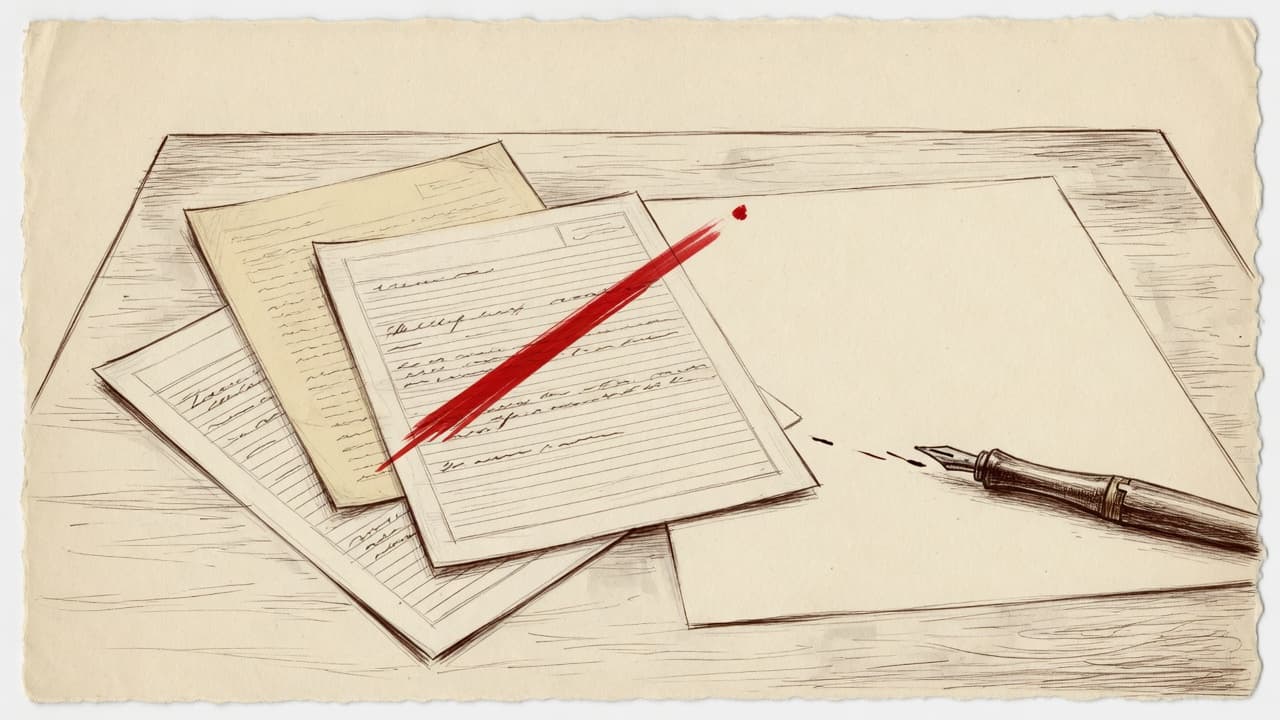
Broken and matching sets are on the desk. Five fields go red, or none do. You can see the work.
The bank never opens the box. Redline compares the credit to the invoice and the shipping receipt, then writes PASS or FAIL as a contract on X Layer — a public object, not our word.
01
Payment promise, invoice, shipping receipt. The bank looks at these. It does not look in the box.
02
Amount, port, date, goods, insurance. Each disagreement is marked in red, with the rule that failed.
03
PASS or FAIL is a contract on chain 1952. A counterparty opens the explorer. They do not have to trust this page.
The object on X Layer
Collateral is a later question. If the credit says Lagos and the invoice says Apapa, there is nothing honest to wrap. The FAIL below is the same opinion the contract writes on X Layer.
Harmattan Cotton — LC vs invoice
LC-OKX-196-8841 · INV-4419
FAIL
Credit
Invoice
AmountUSD 100,000.00
AmountUSD 90,000.00
PortLagos, Nigeria
PortApapa, Nigeria
Goods1,000 bales Nigerian cotton, grade Middling
Goods900 bales Nigerian cotton, grade Middling
This opinion is written on X Layer. A counterparty reads it on the explorer, not on our site.
Each of these is a thing you can verify rather than a thing you have to believe.
Broken and matching sets are on the desk. Five fields go red, or none do. You can see the work.
The contract is on X Layer testnet. docsHash, PASS or FAIL, and a public receipt live onchain.
PDF upload is not live. Lending is not live. Mainnet is subsequent. We list what is missing.
Payment stops when the papers disagree — most first attempts fail. See the mismatches before the bank does.
Do not wrap a story. Read a stamp that says whether the documents even support the claim.
One object to ask: did these papers pass. Hash, result, receipt. No need to trust our UI.
Chain 1952. A stamp is a contract: document hash, PASS or FAIL, public receipt. Check a real shipment, then open the explorer — the opinion is still there if this site is not.